Skip to content

About

What Teamcubation is and who founded it.

Teamcubation was founded in 2021 in Argentina by Mariano Wechsler and Diego Jolodenco. It started by training junior developers who gained experience and seniority building real software for the companies that hired them from the start, without waiting until they were ready. Today it applies that same principle to training teams in the adoption of AI on their own work.

Experience isn't taught: it's trained.

What is Teamcubation?

Teamcubation builds companies' capability to use and build technology, training their teams on their own processes and projects.

Training tech: the combination of training and technology we use to support teams. Mentors work on people's tasks and Teamboarding provides tracking of the journey.

A conviction that grew with the work.

2021: training by building software.

Teamcubation was born training developers while they worked on software projects. That way of building experience is the base of the Incubation program. Explore Incubation

Training teams to adopt AI.

We apply the same principle to business tasks, automation and building with AI: that people build experience working on needs they know. Explore the programs

Team working on their own plans and processes on site

The team.

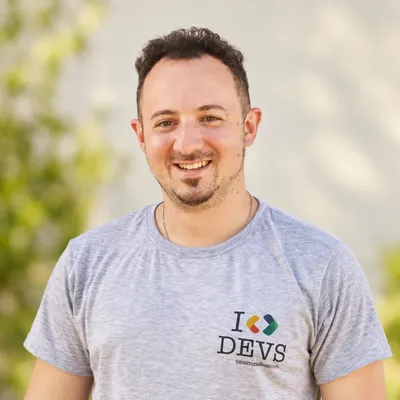
Mariano Wechsler

Mariano Wechsler

Co-founder and CEO

LinkedIn
Diego Jolodenco

Diego Jolodenco

Co-founder and COO

LinkedIn
Agustín Pina

Agustín Pina

Head of Training

LinkedIn
Tomás Estruga

Tomás Estruga

Commercial and Partnerships Director

LinkedIn
Florencia Díaz

Florencia Díaz

Head of People

LinkedIn
A mentor working alongside a participant on their own task

Good judgment is formed by doing.

Judgment is knowing which problem to tackle, whether AI can help solve it and how to approach it. It's formed by deciding on your own problems, not on example cases. Our mentors don't give answers: they ask why, until the team recognizes the pattern and applies it on its own.

Teamcubation has worked with more than 90 leading companies across 6 countries: Argentina, Brazil, Uruguay, Chile, Colombia and Spain.

Data Driven On-the-job
Tech Training

Let's talk about how to power your company with AI.

Why did Teamcubation start by training developers?

Teamcubation was born in 2021 with a model the press called “the medical residency for programmers”: developers who already had technical knowledge gained experience working inside companies, on real software, in teams supported by senior professionals, with their progress measured through data.

Experience isn't taught: it's trained.

When artificial intelligence began to transform the way people work, Teamcubation found a very similar problem. Companies could provide tools, licenses and training, but that didn't guarantee that people knew how to use them to transform their own processes.

So Teamcubation applied the same principle to AI adoption: working on real tasks and processes, with an expert guide alongside, until each person develops the judgment and autonomy to do it on their own.

That original model continues today in Incubation and extends to Teamcubation's programs for adopting, automating and building with artificial intelligence.

Explore our methodology

Who has invested in Teamcubation?

In 2023, Alaya Capital, FJ Labs, Mr. Pink and Opera Ventures took part in Teamcubation's seed round. LAVCA reported the deal without disclosing the amount; Forbes Argentina later reported that the company had raised US$1 million.

The investment supported the expansion of Teamcubation's model to new clients and markets.

About Teamcubation

Teamcubation helps companies build the capabilities to adopt artificial intelligence, automate processes and build technology on real work.

Its programs combine practice on the company's own processes with expert guidance until teams can work autonomously. Teamcubation was founded in Buenos Aires in 2021 by Mariano Wechsler and Diego Jolodenco.

Get to know Teamcubation

Data Driven On-the-job
Tech Training

Let's talk about how to power your company with AI.